About Power Cable Laying Service
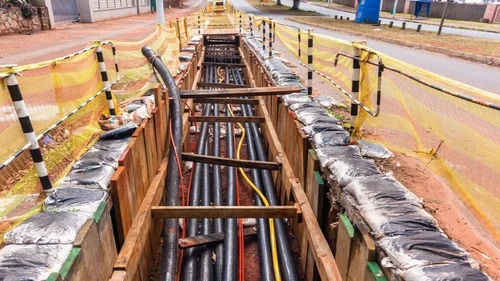
A power cable laying service installs electrical cables to safely and efficiently transmit power for residential, commercial, and industrial uses, including medium to high voltage applications. The service involves planning, site surveying, trenching or duct installation, cable pulling and protection, jointing, termination, and final testing to ensure reliable, long-term operation and compliance with safety standards.
-
Site Survey & Planning:
Assessing the terrain, soil conditions, and existing infrastructure to determine the safest and most efficient cable route.
-
Trenching or Duct Installation:
Digging trenches to the required depth or installing underground conduits to protect the cables.
-
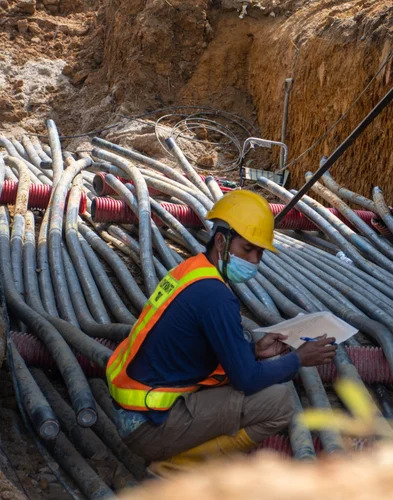
Cable Pulling:
Carefully installing cables into the prepared trenches or ducts using specialized equipment.
-
Cable Protection:
Implementing measures like laying cables on sand beds or using cable markers to prevent damage and protect against moisture.
-
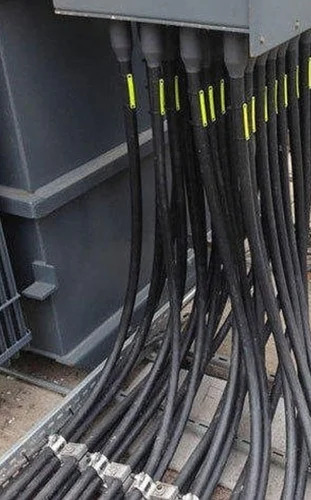
Jointing & Termination:
Connecting cables to power sources or other cables using appropriate jointing kits.
-
Testing & Commissioning:
Performing tests to verify the integrity of the installation and ensuring the system operates safely and efficiently.
-
Permitting & Compliance:
Obtaining necessary approvals from local authorities and adhering to all safety and environmental regulations.
- Residential: Powering lighting, appliances, and HVAC systems in homes.
- Commercial & Industrial: Supplying power for offices, retail spaces, industrial facilities, and substations.
- Infrastructure Projects: Managing large-scale power distribution networks, including high-tension (HT) power transmission lines.
Comprehensive Cable Laying ExpertiseWith deep expertise in handling copper and aluminium conductor cables, our Power Cable Laying Service offers tailored solutions for any voltage requirement. We work closely with clients to ensure trenching depth and laying techniques are customized to suit each project, providing durability and performance. All our processes comply with industry standards to guarantee safety and reliability in industrial, commercial, residential, and infrastructure settings.
Safety and Quality AssuranceSafety is our top priority. Our installations strictly adhere to IS and IEC standards, ensuring every aspect of cable laying meets the necessary regulations for quality and protection. Our highly trained technicians utilize advanced tools and techniques, providing strong warranties and consistent performance you can trust.
FAQ's of Power Cable Laying Service:
Q: How does your Power Cable Laying Service ensure safety and compliance?
A: Our service follows strict safety protocols by adhering to IS and IEC standards. We use insulated copper or aluminium cables, carefully selected laying techniques, and tested materials to minimize risks, ensuring safe and reliable installations for any voltage level.
Q: What is the process involved in laying power cables for different applications?
A: The process includes site assessment, trenching to specified depths, and choosing the appropriate laying method (direct burial, duct, or tray) based on project requirements. We then safely install multi-core heavy-duty cables, conduct thorough inspections, and deliver final commissioning.
Q: When should I consider PVC versus XLPE insulation for my power cables?
A: PVC is suitable for standard installations with moderate temperature and voltage requirements, while XLPE offers enhanced resistance against heat, chemical exposure, and higher voltage applications. We advise on insulation type based on your project's needs and environment.
Q: Where do you offer your cable laying services?
A: We provide on-site power cable laying services across India for industrial, commercial, residential, and infrastructure projects, handling all aspects directly at the client's location.
Q: What are the benefits of choosing professional cable laying services?
A: Professional cable laying guarantees optimized cable performance, longer life, adherence to safety standards, and reduced downtime. Our experienced team helps prevent costly mistakes and ensures a reliable electrical infrastructure.
Q: How do you determine the appropriate cable trenching depth?
A: Trenching depth is determined by specific project requirements, voltage class, and local regulations. We evaluate site conditions and cable specifications to ensure optimal depth for protection and performance.
Q: What warranty and after-service support do you provide?
A: Service warranty terms are specified in the agreement based on project scope and materials used. We also offer ongoing support for maintenance or troubleshooting as per our service contract.



 Send Inquiry

 Send Inquiry
 Send Inquiry
 Send SMS